Featured
Table of Contents
Image Are enlisted in the California Alternating Rates for Power (CARE) or Household Electric Price Assistance (FERA) program. Have made at least one on-time payment in the previous 24 months.
Clients who sign up in the AMP program are not eligible for installment strategies. Internet Power Metering (NEM), Straight Access (DA), and master metered consumers are not presently qualified. For customers intending on moving within the next 60 days, please relate to AMP after you've established solution at your brand-new move-in address.
The catch is that not-for-profit Credit rating Card Financial obligation Mercy isn't for every person. To qualify, you should not have actually made a payment on your charge card account, or accounts, for 120-180 days. In enhancement, not all creditors get involved, and it's just supplied by a few not-for-profit credit scores counseling agencies. InCharge Debt Solutions is among them.
The Credit Score Card Mercy Program is for individuals who are so much behind on credit rating card repayments that they are in serious financial difficulty, perhaps facing bankruptcy, and do not have the revenue to catch up."The program is especially created to aid customers whose accounts have been billed off," Mostafa Imakhchachen, customer care professional at InCharge Financial debt Solutions, stated.
All About How Hesitating to Get Debt Help Causes Things Harder

Financial institutions that participate have actually agreed with the not-for-profit credit scores counseling agency to accept 50%-60% of what is owed in taken care of month-to-month payments over 36 months. The fixed payments indicate you recognize precisely just how much you'll pay over the payment duration. No interest is billed on the balances throughout the reward duration, so the repayments and amount owed do not change.
It does reveal you're taking an energetic function in minimizing your financial obligation. Given that your account was already way behind and charged off, your credit history was already taking a hit. After negotiation, the account will certainly be reported as paid with a no equilibrium, instead than impressive with a collections business.
The therapist will certainly assess your finances with you to establish if the program is the right choice. The evaluation will consist of a take a look at your month-to-month earnings and costs. The agency will pull a credit record to understand what you owe and the degree of your difficulty. If the forgiveness program is the ideal remedy, the therapist will send you an arrangement that information the plan, including the quantity of the month-to-month settlement.
When everybody agrees, you start making regular monthly payments on a 36-month plan. When it mores than, the agreed-to amount is removed. There's no penalty for settling the equilibrium early, yet no expansions are enabled. If you miss a settlement, the agreement is nullified, and you need to exit the program. If you assume it's a good alternative for you, call a counselor at a not-for-profit credit history counseling company like InCharge Financial debt Solutions, that can answer your inquiries and assist you figure out if you qualify.
The Prevalent Misconceptions About Avoid Spending Money You Don’t Have This Holiday Season : APFSC Statements
Because the program allows consumers to choose much less than what they owe, the creditors who take part desire peace of mind that those that capitalize on it would certainly not have the ability to pay the complete amount. Your bank card accounts also have to be from financial institutions and credit scores card companies that have accepted participate.
Balance must go to the very least $1,000.Agreed-the equilibrium should be paid off in 36 months. There are no extensions. If you miss out on a repayment that's simply one missed out on repayment the arrangement is ended. Your creditor(s) will certainly cancel the strategy and your balance goes back to the initial amount, minus what you have actually paid while in the program.
With the mercy program, the financial institution can instead select to keep your debt on the publications and recover 50%-60% of what they are owed. Nonprofit Bank Card Debt Forgiveness and for-profit debt negotiation are comparable because they both offer a way to resolve credit history card financial debt by paying less than what is owed.
Unknown Facts About Unsecured Debt Relief Made Simple
Credit card forgiveness is designed to cost the customer less, repay the financial debt quicker, and have fewer downsides than its for-profit equivalent. Some vital locations of distinction between Credit rating Card Debt Forgiveness and for-profit financial obligation settlement are: Credit Card Financial debt Forgiveness programs have connections with creditors that have agreed to get involved.
Once they do, the payoff duration starts immediately. For-profit debt negotiation programs negotiate with each financial institution, generally over a 2-3-year duration, while rate of interest, costs and calls from debt enthusiasts continue. This means a larger appeal your credit rating report and credit report rating, and a boosting balance up until settlement is finished.
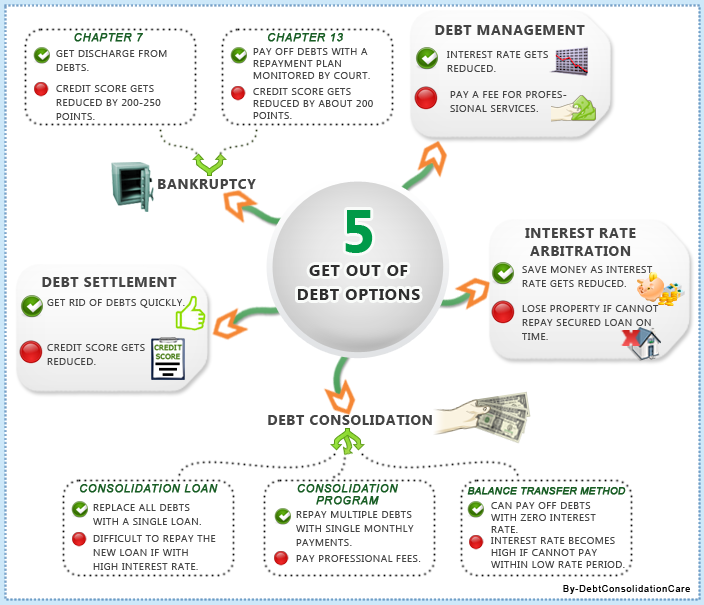
Charge Card Financial obligation Mercy clients make 36 equivalent month-to-month repayments to remove their financial obligation. The payments go to the creditors until the agreed-to balance is gotten rid of. No rate of interest is billed throughout that period. For-profit financial obligation negotiation clients pay into an escrow account over an arrangement duration towards a swelling amount that will be paid to financial institutions.

Table of Contents
Latest Posts
The Only Guide to Post-Forgiveness Help and Follow-Up Programs
The Only Guide for Building a Stable Financial Plan That Protects You
What Debt Counseling Typically Cost Things To Know Before You Buy
More
Latest Posts
The Only Guide to Post-Forgiveness Help and Follow-Up Programs
The Only Guide for Building a Stable Financial Plan That Protects You
What Debt Counseling Typically Cost Things To Know Before You Buy